
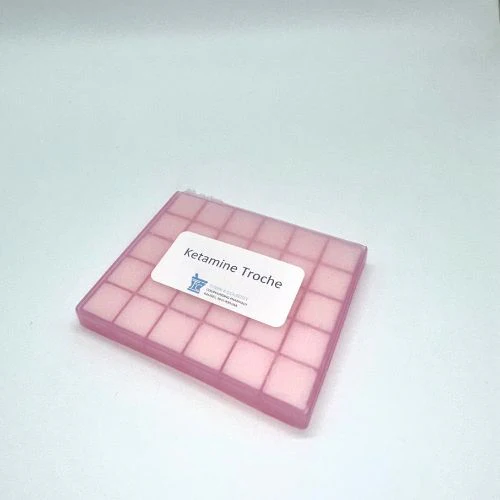

Ketamine Troches: Uses, Benefits, Safety, and What to Know in 2026
Ketamine troches are dissolvable prescription formulations of ketamine designed to be administered through the mouth. Unlike intravenous (IV) ketamine, which is delivered directly into the bloodstream, a troche is placed in the mouth and allowed to dissolve gradually. Depending on the formulation and treatment protocol, some of the medication may be absorbed through the oral tissues before being swallowed.
Ketamine has been used medically for decades, primarily as an anesthetic. In recent years, however, researchers and healthcare professionals have investigated its potential role in treating certain psychiatric conditions, particularly depression that has not responded adequately to conventional treatments.
Ketamine troches are one of several ways ketamine may be administered. Other approaches include intravenous ketamine, intramuscular ketamine, and intranasal treatments such as esketamine. Each route has different pharmacokinetic characteristics, clinical requirements, and safety considerations.
It is important to remember that ketamine is a prescription medication with significant psychoactive effects. Ketamine troches should only be used under the direction of an appropriately qualified healthcare professional and according to applicable local regulations.
What Are Ketamine Troches?
A ketamine troche is a small, dissolvable medication preparation containing ketamine. It is generally formulated to dissolve slowly in the mouth rather than being swallowed immediately like a conventional tablet.
The term “troche” describes the dosage form rather than a particular treatment indication. A clinician may prescribe a troche as part of a specific treatment protocol, depending on the patient’s medical circumstances and the formulation available through a pharmacy.
Because absorption can occur through the tissues of the mouth and through the gastrointestinal tract after swallowing, the amount of ketamine reaching the bloodstream can differ from other administration routes.
This is one reason why doses used with different ketamine formulations should not simply be converted from one route to another without professional guidance.
How Do Ketamine Troches Work?
Ketamine primarily interacts with the brain’s glutamate system, particularly N-methyl-D-aspartate (NMDA) receptors. Glutamate is one of the brain’s major excitatory neurotransmitters and plays an important role in learning, memory, communication between neurons, and neuroplasticity.
By influencing NMDA receptor activity, ketamine can produce a series of downstream effects involving neural signaling. Researchers believe these mechanisms may contribute to some of the rapid changes in mood observed in certain patients receiving ketamine treatment.
Ketamine’s effects are complex, however, and cannot be explained by a single receptor or pathway.
Its psychoactive effects can also include changes in perception, altered awareness, sedation, and dissociation. These effects are part of the reason ketamine treatment requires appropriate screening and safety precautions.
Why Are Ketamine Troches Used?
Ketamine has been investigated for several medical and psychiatric applications. In mental-health care, one of the most widely discussed applications is treatment-resistant depression.
Treatment-resistant depression generally refers to depression that has not improved sufficiently after appropriate treatment attempts. Depending on the patient’s situation, a clinician may consider several options when conventional approaches have not provided adequate relief.
Ketamine may be considered in selected circumstances because its mechanism differs from that of many conventional antidepressants.
However, ketamine is not appropriate for everyone, and the fact that it has been studied for depression does not mean that every ketamine formulation is approved for every psychiatric condition.
A healthcare professional may consider:
- Previous treatment history
- Current symptoms
- Existing medical conditions
- Current prescription medications
- Previous responses to antidepressants
- Cardiovascular health
- Substance-use history
- Potential medication interactions
- Individual treatment goals
- Relevant local regulations
A personalized assessment is therefore an important part of responsible ketamine treatment.
Ketamine Troches Compared With Other Ketamine Treatments
Ketamine can be administered through several routes. The route can substantially affect absorption, onset, duration, monitoring requirements, and the overall treatment experience.
| Treatment | Administration | Key characteristic | Typical clinical setting |
|---|---|---|---|
| Ketamine troche | Oral/buccal | Dissolves in the mouth | Depends on treatment protocol |
| IV ketamine | Intravenous | Delivered directly into bloodstream | Clinical setting |
| IM ketamine | Intramuscular injection | Injected into muscle | Clinical setting |
| Intranasal esketamine | Nasal spray | Specifically formulated for intranasal administration | Controlled clinical setting where approved |
| Other oral ketamine formulations | Oral | Absorbed through gastrointestinal tract | Varies |
These treatments should not be considered interchangeable. Differences in absorption and bioavailability mean that the amount of medication prescribed for one route cannot automatically be applied to another.
Ketamine Troches vs. IV Ketamine
IV ketamine is administered directly into a vein. Because the medication enters the bloodstream directly, healthcare professionals can closely control the administration and monitor the patient throughout treatment.
Ketamine troches use a different absorption pathway. The medication dissolves in the mouth, and absorption can occur through oral tissues as well as after swallowing.
The experience may therefore differ between the two methods.
IV ketamine is often administered in a healthcare facility where vital signs and the patient’s response can be monitored. Depending on the clinical program and applicable regulations, troches may be prescribed for use outside a clinic, but this does not eliminate the need for medical supervision and appropriate follow-up.
Ketamine Troches vs. Intranasal Esketamine
Intranasal esketamine is a specific pharmaceutical formulation containing esketamine, one of the two enantiomers of ketamine.
Ketamine itself contains both enantiomers, while esketamine contains only the S-enantiomer.
The distinction is important because an approved esketamine product has its own regulatory status, indications, prescribing requirements, and administration protocols. A compounded ketamine troche should not automatically be treated as equivalent to an approved esketamine product.
Potential Benefits of Ketamine Troches
Interest in ketamine-based treatment has grown partly because some studies have found relatively rapid changes in depressive symptoms following ketamine administration.
Traditional antidepressants may take several weeks before their full effects become apparent. Ketamine can act through a different biological pathway and, in some patients, improvements may occur more quickly.
However, “rapid” does not mean immediate or guaranteed.
Not every patient responds to ketamine, and the duration of improvement can vary considerably.
Potential benefits discussed in clinical research include:
- Relatively rapid changes in depressive symptoms in some patients
- A different mechanism from conventional antidepressants
- Potential usefulness when standard treatments have not produced adequate results
- Multiple administration options
- The possibility of incorporating treatment into a broader mental-health plan
The strength of evidence varies depending on the condition being treated and the formulation used. Evidence from IV ketamine, for example, should not automatically be assumed to apply to ketamine troches in exactly the same way.
What Does a Ketamine Troche Treatment Feel Like?
The experience varies from person to person.
Some individuals describe feeling relaxed or sleepy, while others may experience temporary changes in perception or a sense of detachment from their body or surroundings.
Possible short-term effects include:
- Drowsiness
- Relaxation
- Dizziness
- Altered perception
- Dissociation
- Changes in sensory awareness
- Temporary confusion
- Nausea
- Impaired coordination
These effects may be uncomfortable for some people. For others, they may be relatively mild.
The intensity depends on factors such as the medication formulation, individual sensitivity, absorption, treatment protocol, and other medicines or substances being used.
The subjective experience should not be used to determine whether treatment is medically effective. A person can experience noticeable psychoactive effects without experiencing meaningful improvement in their underlying symptoms.
How Long Do Ketamine Troches Take to Work?
There is no single timeframe that applies to every person.
The onset of effects can depend on the formulation, how the medication is administered, absorption through the oral tissues, swallowing, individual metabolism, and other factors.
Patients should follow the administration instructions provided by their prescribing clinician rather than attempting to determine an appropriate dose or timing based on someone else’s experience.
It is also useful to distinguish between two different types of effects.
The first is the immediate pharmacological experience, such as sedation or altered perception. The second is the potential therapeutic effect on symptoms such as depression.
These effects do not necessarily occur on the same timeline.
How Long Do the Effects Last?
The immediate psychoactive effects of ketamine generally wear off as the medication is metabolized, but the potential therapeutic effects can follow a different timeline.
Some patients may experience symptom improvement that lasts longer than the immediate effects of the medication. Others may experience little benefit or find that improvements decrease over time.
For this reason, treatment plans often involve follow-up appointments and ongoing evaluation.
A healthcare professional can determine whether symptoms are changing, whether side effects are acceptable, and whether continued treatment is appropriate.
Ketamine Troches and Depression Treatment
Ketamine has received considerable attention for its potential role in treatment-resistant depression.
Some clinical research suggests that ketamine can produce antidepressant effects in certain patients who have not responded adequately to conventional therapies.
However, ketamine should not automatically replace standard treatments.
Depending on the individual, comprehensive treatment may include:
- Psychotherapy
- Conventional antidepressant medication
- Other psychiatric medications
- Lifestyle interventions
- Social support
- Regular clinical monitoring
- Other evidence-based treatments
Ketamine may be considered as one component of a broader treatment strategy rather than a standalone solution.
Can Ketamine Be Used With Antidepressants?
In some circumstances, ketamine may be used alongside other psychiatric medications. However, this decision should be made by a healthcare professional who knows the patient’s complete medication history.
Patients should provide a list of all medications they take, including:
- Prescription medicines
- Over-the-counter medications
- Vitamins
- Herbal products
- Supplements
- Other psychoactive substances
Patients should never discontinue an antidepressant or another prescription medication simply because they are considering ketamine treatment.
Ketamine Troche Safety and Side Effects
Ketamine is a powerful prescription medication and can cause significant short-term effects.
Commonly reported effects may include:
| Possible effect | What it may involve |
|---|---|
| Drowsiness | Reduced alertness or sleepiness |
| Dizziness | Feeling unsteady or lightheaded |
| Dissociation | Temporary feeling of detachment from surroundings or self |
| Nausea | Stomach discomfort or feeling sick |
| Increased blood pressure | Temporary cardiovascular changes |
| Increased heart rate | Temporary rise in pulse |
| Impaired coordination | Reduced balance or motor control |
| Altered perception | Changes in sensory experience |
| Confusion | Temporary difficulty thinking clearly |
Not everyone will experience these effects, and their severity can vary.
Ketamine and Blood Pressure
Ketamine may temporarily increase blood pressure and heart rate.
This makes cardiovascular assessment particularly important for patients with certain heart conditions or uncontrolled hypertension.
A healthcare professional should review relevant medical history before treatment and determine whether additional monitoring is necessary.
Ketamine and Sedation
Sedation and impaired coordination are important safety considerations.
Someone who has taken ketamine may temporarily have reduced reaction speed or judgment. For this reason, patients should follow their clinician’s instructions regarding driving, work, exercise, and other activities after treatment.
Can You Drive After Taking Ketamine Troches?
Patients should not assume that they can drive simply because they feel awake.
Ketamine can temporarily affect:
- Reaction time
- Balance
- Coordination
- Judgment
- Attention
- Perception
A healthcare provider should give specific instructions regarding transportation and activities after treatment.
If a treatment program requires observation or assistance following administration, those requirements should be followed.
Ketamine and Alcohol
Combining ketamine with alcohol can increase impairment and may increase the risk of excessive sedation and other complications.
Patients should discuss alcohol use with their healthcare provider and follow the specific instructions provided by their treatment program.
The same principle applies to other substances that can affect the central nervous system.
Ketamine and Other Medications
Potential interactions depend on the medication involved.
Some combinations can increase sedation or affect blood pressure, heart rate, alertness, or other physiological functions.
Patients should not assume that a medication or supplement is safe to combine with ketamine simply because it is available without a prescription.
Providing a complete medication list to the prescribing professional is one of the simplest ways to reduce avoidable interaction risks.
Dependence and Misuse
Ketamine has psychoactive properties and can be misused.
Repeated non-medical use can lead to problematic patterns of use and may expose individuals to unpredictable doses and additional health risks.
Medical use should therefore involve an appropriate prescription, legitimate source, clinical assessment, and follow-up.
Patients should never share their prescribed ketamine with another person.
Potential Long-Term Concerns
Repeated or prolonged ketamine exposure has been associated with several potential health concerns, particularly when the drug is misused or taken at high amounts.
Potential concerns discussed in medical literature include urinary and bladder problems, liver-related effects, cognitive effects, and problematic use.
The level of risk depends on factors including exposure, frequency, individual susceptibility, and the circumstances in which ketamine is used.
Patients receiving repeated treatment should report unusual symptoms to their healthcare provider.
Who Should Be Especially Cautious With Ketamine?
Ketamine may not be suitable for everyone.
A healthcare professional should carefully evaluate individuals with certain medical or psychiatric conditions, including some cardiovascular disorders, uncontrolled hypertension, significant liver problems, and a history of problematic substance use.
Pregnancy and breastfeeding also require individualized medical assessment.
A clinician may decide that another treatment is more appropriate depending on the patient’s overall health and circumstances.
What Should You Tell Your Healthcare Provider?
Before starting ketamine treatment, patients should provide a complete and accurate medical history.
Important information can include:
- Current medications
- Allergies
- Previous reactions to anesthetics
- Cardiovascular conditions
- Blood-pressure problems
- Liver conditions
- Urinary or bladder problems
- Psychiatric history
- Previous ketamine exposure
- Substance-use history
- Pregnancy or breastfeeding status where applicable
Providing complete information helps the healthcare professional assess potential risks and determine whether ketamine is appropriate.
How Should Ketamine Troches Be Stored?
Storage instructions should always come from the dispensing pharmacy and the product label.
Patients should keep ketamine in its original packaging and follow the specified storage conditions. Medication should be kept away from children, pets, and anyone for whom it was not prescribed.
If a troche appears damaged, contaminated, or substantially different from the expected preparation, patients should contact the dispensing pharmacy before using it.
Frequently Asked Questions About Ketamine Troches
Are ketamine troches legal?
Ketamine is a prescription medicine, but the rules surrounding compounded ketamine formulations vary between countries and jurisdictions.
Patients should use ketamine only through legitimate medical channels and in accordance with applicable laws.
Are ketamine troches FDA approved?
The answer depends on the specific product and its formulation.
Ketamine itself is an approved anesthetic in the United States, but that does not mean every compounded ketamine preparation is FDA-approved for every condition or route of administration.
Patients should distinguish between an approved commercial pharmaceutical product and a compounded preparation prescribed for an individual patient.
Are ketamine troches the same as ketamine infusions?
No.
Both involve ketamine, but they use different routes of administration.
IV ketamine is delivered directly into the bloodstream, while a troche is administered through the mouth. Absorption, bioavailability, onset, monitoring requirements, and patient experience can therefore differ.
Are ketamine troches the same as nasal ketamine?
No.
Ketamine troches and intranasal formulations are different products administered through different routes.
Esketamine nasal spray is also a specific medication with its own regulatory status and clinical requirements.
Can ketamine troches be used at home?
Some clinicians may prescribe certain ketamine formulations for use outside a medical facility, depending on the patient’s circumstances and local regulations.
However, home administration should still occur as part of an appropriate treatment plan. Patients should receive clear instructions concerning administration, safety, monitoring, transportation, and follow-up.
Can you take more if you do not feel an effect?
No.
Patients should not independently increase their prescribed amount because the expected effect has not appeared.
Absorption and onset can vary, and taking additional medication too soon may increase the risk of excessive sedation, dissociation, impaired coordination, and other adverse effects.
Any adjustment should be made only by the prescribing healthcare professional.
Can ketamine troches treat depression?
Ketamine has been studied extensively for depression, especially treatment-resistant depression.
Some patients may experience meaningful improvement, but responses vary. Ketamine is not appropriate for everyone and should be considered within an individualized treatment plan.
Can ketamine help with anxiety?
Ketamine has been investigated for certain anxiety-related conditions, but evidence and regulatory status vary depending on the specific disorder and treatment formulation.
People should not self-treat anxiety with ketamine. A qualified healthcare professional should determine whether it has an appropriate role in treatment.
What makes ketamine different from traditional antidepressants?
Many conventional antidepressants primarily affect neurotransmitter systems such as serotonin and norepinephrine.
Ketamine works differently, with significant effects involving glutamate and NMDA receptor signaling.
This different mechanism is one reason ketamine has attracted attention in treatment-resistant depression. However, a different mechanism does not automatically mean that it is better or safer for every patient.
Is ketamine treatment permanent?
There is no guarantee that ketamine will provide permanent symptom relief.
Some people may experience meaningful improvement, while others may experience little or no benefit. Even among people who respond, the duration of improvement can vary.
Ongoing evaluation is therefore important when treatment is repeated.
Final Thoughts
Ketamine troches are a specialized prescription formulation that provides another way of administering ketamine. Interest in this treatment has increased because ketamine affects the brain differently from many conventional medications and may produce relatively rapid changes in symptoms for some patients.
At the same time, ketamine is not risk-free. Drowsiness, dissociation, changes in blood pressure, impaired coordination, medication interactions, and the potential for misuse all make responsible medical oversight important.
The best approach is to view ketamine troches as one potential component of a carefully evaluated treatment plan rather than as a quick or universal solution.
Anyone considering ketamine treatment should discuss its potential benefits, risks, alternatives, expected monitoring, and regulatory status with a qualified healthcare professional. Patients should use only the formulation and amount prescribed to them and should never make independent changes to their treatment.
Medical disclaimer: This article is provided for general educational purposes and does not constitute medical advice, diagnosis, or treatment. Ketamine is a prescription medication. Always consult a qualified healthcare professional before starting, stopping, or changing ketamine treatment.
Be the first to review “Ketamine Troches”
Related products
DMT





KETAMINE

KETAMINE
DMT
Reviews
There are no reviews yet.